

Sterling Silver Jewellery Guide
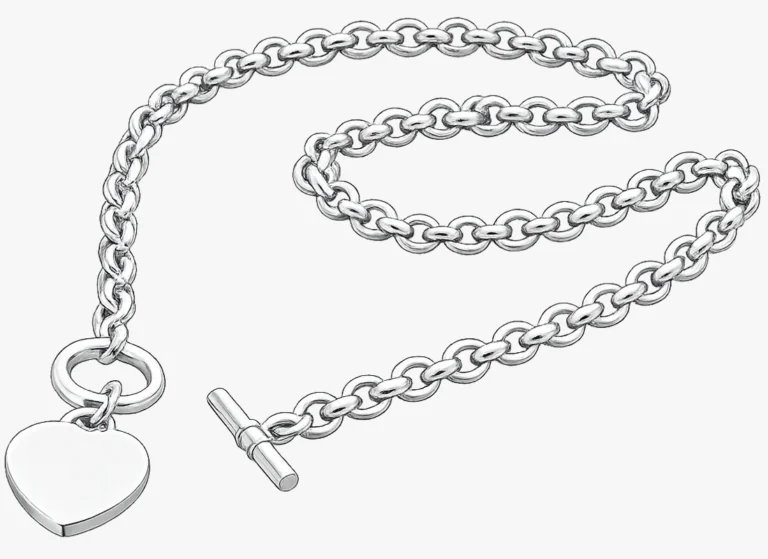
- Sterling silver is the standard form of silver used for modern jewellery and is made from solid precious metal, not plating or coatings.
- It is 925 silver, meaning it contains 92.5% pure silver with the remaining 7.5% typically copper to improve strength.
- Pure silver at 99.9% purity is too soft for everyday jewellery, which is why sterling silver is used instead.
- Sterling silver will naturally tarnish over time when exposed to air and moisture, but can be easily cleaned and restored to its original brightness.
- Sterling silver jewellery is generally well tolerated by sensitive skin, and UK and EU standards typically require nickel-free alloys.
- In the UK, sterling silver jewellery above a legal weight threshold must be hallmarked, and the hallmark confirms metal purity, authenticity, and legal compliance.
- Sterling silver is significantly more affordable than gold or platinum while still having intrinsic precious-metal value.
- Many modern sterling silver jewellery pieces are made from recycled silver, which is chemically identical to newly refined silver and meets the same quality standards.
Understanding Sterling Silver
Sterling silver has been worn, gifted, and treasured for centuries. This guide explains what sterling silver jewellery is, why it remains the standard form of silver used today, and what you can realistically expect from it in everyday wear.
This guide focuses on sterling silver jewellery, the standard form of silver used for modern jewellery. Whether you’re searching for information about silver in general or specifically wondering what sterling silver means, this guide will help you understand what you’re buying.
For deeper technical detail about composition, standards, and metallurgy, see our Sterling Silver Jewellery Technical Guide.
Is Sterling Silver Right for You?
This type of jewellery is a strong choice if you want real precious metal at a sensible price point. It offers genuine material value, a bright white appearance, and a solid feel that plated pieces simply cannot replicate.
It is also a popular option if you have sensitive skin and want jewellery that is usually well tolerated. Many people choose it because it can be worn often, not just on special occasions, while still feeling substantial and well made.
If you value authenticity, solid materials, and jewellery designed to last years rather than months, pieces made from this material are likely a very good fit.
Why Choose Sterling Silver Jewellery?
Sterling silver jewellery is prized for its luminous white colour and natural brightness. Silver reflects around 95% of visible light, making it one of the most reflective metals on Earth. This gives jewellery made from this metal a clean, crisp appearance that stays visually striking across different styles and settings.
Its timeless look works effortlessly with casual wear, formal outfits, and everything in between. Unlike trend-driven fashion items, pieces made from this material remain wearable and relevant for decades.
This jewellery also offers a reassuring sense of quality. It feels solid and well balanced without being heavy, making it comfortable to wear daily. Because it is solid precious metal throughout, it will never peel, chip, or wear away like plated alternatives.
Cost is another reason people choose sterling silver jewellery. It is far more affordable than gold or platinum, while still offering intrinsic material value. It is real precious metal, not an imitation, and its value is tied to a globally traded commodity.
With normal wear and sensible use, jewellery made from this alloy can last for generations. Many people choose it for meaningful gifts, heirloom pieces, and designs intended to be worn regularly rather than stored away.
Many pieces today, including silver wedding rings, are made using recycled silver. This allows the same purity, performance, and appearance as newly mined silver, while reducing the need for additional raw material extraction. Recycled silver is chemically identical to newly refined silver and meets the same quality standards.
What Makes Sterling Silver Special?
Pure silver is naturally beautiful, but at 99.9% purity it is too soft for practical jewellery. Fine silver bends, dents, and scratches very easily, which makes it unsuitable for most everyday designs.
This alloy exists to solve that problem. It is engineered for wearability, not as a compromise in quality. By alloying pure silver with a small amount of copper, the metal gains essential strength while retaining silver’s natural colour and brightness.
This balance is why it has become the worldwide jewellery standard. It performs far better in real-world use than pure silver while still being unmistakably silver in appearance and value.
It is durable for jewellery use. It is not fragile, but it is also not indestructible. With normal care, it performs extremely well for daily wear and remains one of the most practical precious metals for jewellery.
Is Sterling Silver Hypoallergenic?
A common question is: is sterling silver hypoallergenic? For most people, yes.
Jewellery made from this material is generally well tolerated and suitable for sensitive skin. Unlike nickel, brass, or low-cost base metals, quality pieces made to modern standards are rarely associated with skin irritation.
In the UK and EU, nickel-free alloys are standard, which further reduces the risk of allergic reactions. This makes it a popular choice for earrings, necklaces, bracelets, and rings worn daily.
What Sterling Silver Is (And What It’s Not)
Sterling silver is 925 silver, meaning it contains 92.5% pure silver. The remaining 7.5% is typically copper, added to give the metal strength and durability. This composition is recognised worldwide as the standard for sterling silver jewellery.
Sterling silver is real silver, not an imitation. The “925” stamp you’ll often see is a purity mark confirming its silver content and authenticity. Sterling silver is real silver engineered for practical use.
Just as importantly, it is not silver plated. It is solid precious metal throughout, not a thin coating over a base metal. It is not costume jewellery, and it does not wear away over time.
It is also not “German silver,” “nickel silver,” or stainless steel. These materials contain little or no silver at all. Jewellery made from this alloy does not chip, peel, or disappear with wear.
Material Comparison
| Material | Real Silver | Wears Away | Skin Friendly | Typical Use |
|---|---|---|---|---|
| Sterling silver | Yes | No | Usually | Jewellery |
| Silver plated | No | Yes | Often no | Fashion items |
| Fine silver (999) | Yes | No | Yes | Bullion, earrings |
| Stainless steel | No | No | Varies | Budget jewellery |
Understanding Hallmarks and Authenticity
In the UK, items described as sterling silver jewellery and weighing over 7.78 grams must be hallmarked by law. A hallmark is independent verification of silver content, not a decorative stamp.
Items below this weight are legally exempt, but many still carry a 925 stamp where space allows. Exact marks and their placement vary by design, and individual product pages usually provide specific details.
Real-world authenticity cues include proper hallmarks, a consistent weight and feel, and normal tarnish behaviour. Genuine silver tarnishes over time, while plated items behave very differently. Official verification matters far more than informal DIY tests.
Why Have Silver Prices Increased?
Silver is no longer used only for jewellery and tableware. It now plays a critical role in modern industry, including solar panels, electronics, electric vehicles, and medical equipment.
Rising industrial demand has driven silver prices to record levels in 2025–2026. As a result, silver is no longer the “budget precious metal” it once was.
Your sterling silver jewellery represents genuine precious metal value with increasing global importance. Pricing reflects material reality and worldwide demand, not branding or marketing alone. The growing use of recycled silver within jewellery manufacturing helps support supply, but global demand still plays the dominant role in pricing.
Will My Silver Jewellery Tarnish?
Can sterling silver tarnish? Yes, and this is completely normal. Tarnish occurs when silver reacts with sulfur in the air, creating a dark surface layer.
This reaction affects only the surface. It does not weaken the metal underneath and is not a defect or quality issue. In fact, tarnish is a characteristic of real silver.
Daily wear often reduces tarnish because gentle friction from skin and clothing naturally polishes the surface. Unworn pieces stored for long periods often tarnish faster than jewellery worn regularly.
Can Sterling Silver Cause Green Marks?
Green marks can occasionally appear when copper in the alloy reacts with moisture, sweat, or skincare products. This is more common in warm weather or humid conditions.
These marks are harmless and purely cosmetic. They do not mean the jewellery is fake or poor quality, and they do not damage the metal itself.
Individual body chemistry plays a role, which is why some people experience this and others never do.
Will Sterling Silver Rust?
Will sterling silver rust? No. Rust only occurs in iron-based metals, and silver contains no iron.
If your jewellery darkens, this is tarnish, not rust. The two processes are completely different. Sterling silver jewellery does not rust.
Oxidised Silver Finishes
Some pieces have intentionally darkened areas. This is known as an oxidised or antiqued finish.
The darker tones are applied on purpose to create contrast and highlight design details. This is not damage or accidental tarnish.
Oxidised finishes are stable and permanent, forming part of the design rather than something that needs to be removed.
Quick Questions About Sterling Silver
Why does unworn silver darken faster than worn pieces?
Lack of natural polishing from wear allows tarnish to develop more quickly in storage.
Why does silver feel cooler than other metals?
Silver transfers heat very efficiently, so it quickly draws warmth from your skin.
Why does sterling silver feel heavier than plated jewellery?
It is solid precious metal throughout, not a thin coating over a lightweight base.
Why does polished silver look brighter than white gold?
Silver is one of the most reflective metals, giving it a naturally brighter appearance.
Understanding Your Sterling Silver Jewellery
Sterling silver jewellery is real precious metal, designed to be worn, enjoyed, and lived with. Its characteristics are normal, expected, and part of what confirms its authenticity.
What you see over time reflects the nature of silver itself, not a flaw or failure. With normal use, jewellery made from this material can last for generations.
To explore further, see our Sterling Silver Jewellery Technical Guide, or browse our collections of silver jewellery, silver necklaces, silver bangles, and silver earrings.
Your sterling silver jewellery is exactly as it should be.