Product Range
Modern silver jewellery covers a wide range of forms, weights, and structural requirements. Sterling silver is used extensively because it can be formed into both delicate and substantial designs without compromising integrity.
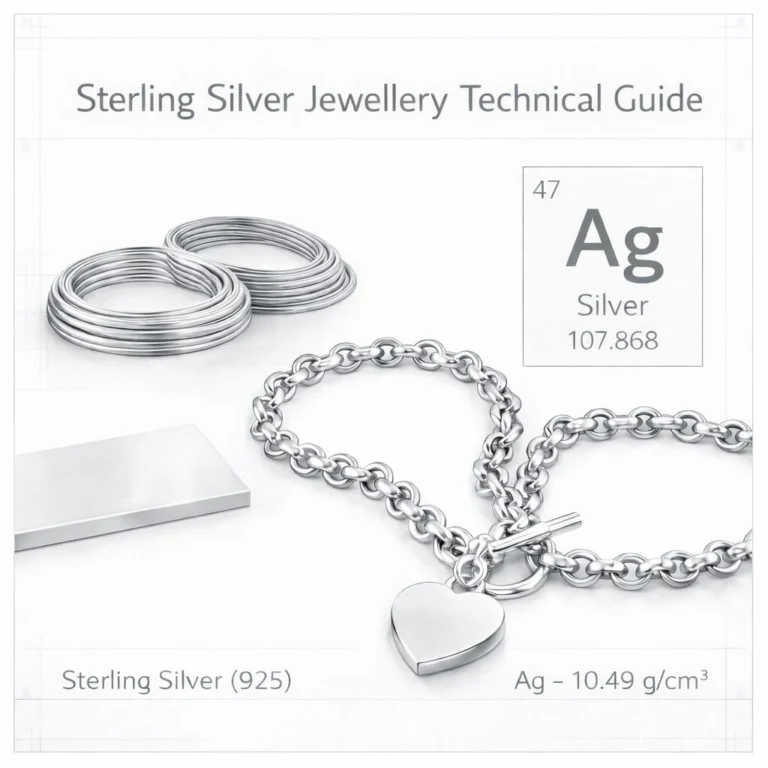
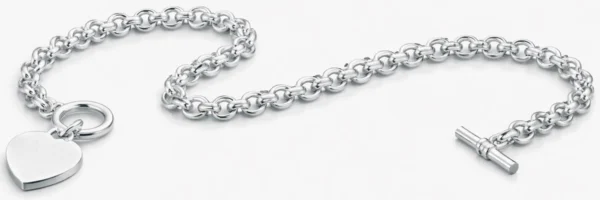
Silver necklaces range from fine chain designs to substantial, heavyweight pieces. Chunky silver heart necklace styles and large pendants use significant volumes of metal and require an alloy that resists distortion. Substantial silver heart necklace designs typically weigh between 30 and 60 grams, depending on size and profile. As a clear reference point, our heaviest silver heart necklace at 61.5 grams demonstrates the upper end of what is achievable in sterling silver while retaining structural stability.
Silver bracelets and silver bangles place different mechanical demands on the metal. Solid bangles and cuff bangles rely on rigidity to maintain shape, while articulated bracelets must withstand repeated movement at joints and links. Sterling silver provides sufficient stiffness for open cuff designs while remaining workable enough for precise shaping.
Men’s silver cufflinks require additional mechanical reliability. Hinges, toggles, and fixed bars are subject to repeated stress during wear. Sterling silver allows these components to be accurately formed and to retain their geometry over time, which is why it remains the standard material for silver cufflinks for men.
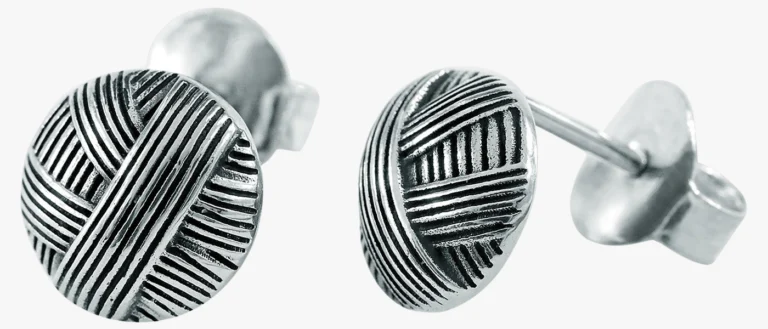
Silver earrings are produced in three main styles: studs, drops, and hoops. Studs require rigidity to support posts and fittings. Drop earrings place stress on suspension points and connectors. Hoops must retain a consistent circular form to sit correctly when worn. Sterling silver offers the necessary balance of strength and form retention across all three styles without excessive weight.
Hallmarking and Quality Marks in the UK
In the UK, silver jewellery is regulated by hallmarking law. Any silver item weighing 7.78 grams or more must be hallmarked by an official UK assay office before it can be sold or described as silver.
A UK hallmark provides independent verification of metal content. It identifies the purity of the silver, the assay office that tested it, and the registered maker’s mark. A date letter may also be included but is no longer compulsory.
Items weighing less than 7.78 grams are exempt from mandatory hallmarking. This exemption does not prohibit hallmarking, but many small items do not have sufficient physical space to carry a full hallmark. Where space permits, such pieces will typically carry a 925 stamp to indicate sterling silver content.
Hallmarking is not decorative. It is a legal and technical assurance that confirms material composition and protects consumers by preventing misrepresentation.