Tungsten ring prices in the UK
Tungsten remains one of the most widely used alternative metals for wedding rings. It offers substantial weight, a clean finish, and a solid feel on the hand. In 2025, it also became the metal most exposed to global supply controls.
In February 2025, new export licensing requirements were applied to tungsten and related compounds. China dominates global tungsten production, so changes to its export rules were felt immediately across international markets. Tungsten is also classed as a dual-use material, with applications in aerospace and defence, which adds further compliance checks and administrative delays.
Between January and September 2025, raw tungsten prices rose by roughly 40 to 50 percent. For jewellers, this translated into higher material costs, longer lead times, and more frequent pricing reviews.
As a practical UK example, a plain tungsten wedding band retailing at around £150 in early 2025 is now typically priced closer to £165 to £175 in early 2026, depending on width and finish.
In late December 2025, the Chinese Ministry of Commerce confirmed a fixed whitelist of authorised tungsten exporters for 2026 and 2027. This formalised the tighter export regime introduced earlier in the year and signalled that controlled supply, additional compliance, and longer lead times are now the standard rather than a temporary disruption.
Why we discontinued the tungsten court range
Our tungsten court wedding rings were a long-standing core range. The fully rounded profile was popular for comfort and covered a wide spread of UK finger sizes.
During 2025, rising costs and changes to trade conditions made that specific range no longer viable with one of our long-term manufacturing partners. Rather than compromise on consistency or accept unpredictable pricing, we chose to discontinue the tungsten court profile altogether.
Blended court tungsten wedding rings
Ending a popular range created an opportunity to redesign rather than replace. Working with a different production partner, we developed the blended court tungsten wedding rings.
The updated profile is more refined, with smoother transitions and improved finishing inside and out. Widths run from 3mm to 10mm, covering UK sizes J through to Z+6. Changes to the production process allow these tungsten wedding rings to remain competitively priced despite higher raw material costs.
Cobalt chrome ring prices
Cobalt has also become less predictable. It is widely used across jewellery, medical, and industrial applications and has been affected by new tariffs and export controls in several regions.
During 2025, cobalt alloy costs increased by around 15 to 20 percent, with further rises expected through 2026. While cobalt rings remain visually close to white precious metals and are suitable for customers with metal sensitivities, long-term pricing stability across the industry is now harder to maintain.
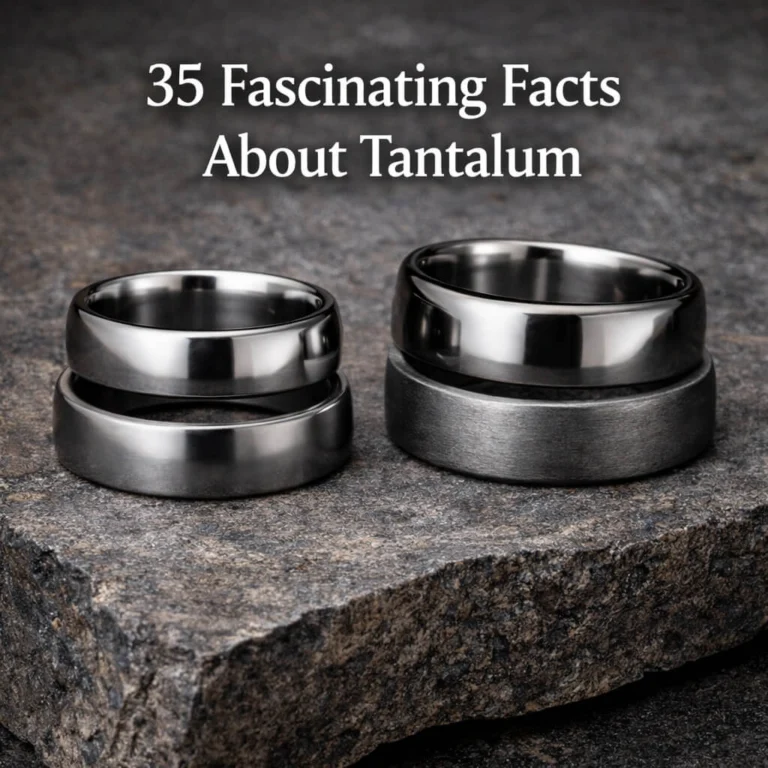
Tantalum: limited supply, rising demand
Tantalum remains a less common choice, but interest continues to grow. Its darker colour and natural weight distinguish it clearly from other alternative metals.
Industrial demand remains strong, particularly in electronics and specialist alloys. Mining output has not increased at the same pace, creating ongoing pressure on availability. As a result, tantalum pricing is more volatile and is likely to trend upward throughout 2026.
Precious metals are rising too
Price pressure is not limited to alternative metals. Precious metals also saw substantial movement entering 2026.
Silver prices rose sharply during 2025, driven by industrial demand and investment buying. Gold continued its longer-term upward trend, supported by central bank purchasing and economic uncertainty. Platinum and palladium both experienced renewed volatility linked to automotive demand and constrained mining supply.
These increases affect wedding rings across the board. Even simple silver wedding bands now cost more to produce than a year earlier, while gold and platinum rings reflect significantly higher raw material input costs than in the early 2020s.
Wider impact on alternative metals
Beyond tungsten, cobalt, and tantalum, other alternative metals have been indirectly affected. Titanium, zirconium, and zirconia ceramic are not subject to the same export restrictions, but increased inspections and slower logistics have extended production timelines.
Global trade disputes added further friction. In 2025, we stopped selling into the United States entirely, as tariffs and compliance requirements made stable and proportionate pricing impossible to maintain in that market.
How much will wedding ring prices increase in 2026?
All indicators point in the same direction. Raw material costs are higher across both alternative and precious metals, and supply chains remain less predictable than they were.
For the UK market, this is likely to translate into retail price increases of around 10 to 15 percent on certain wedding rings during 2026. This aligns with broader metals market reporting from the Financial Times during the second half of 2025.
Raw material cost is only one component of the final retail price. Labour, finishing, packaging, and logistics also contribute, which is why retail increases are smaller than the rises seen at the raw metal level.
Why our rings remain competitively priced
Unlike traditional high-street jewellers, we operate without retail premises. This keeps overheads lower and allows a greater proportion of cost to be directed toward manufacturing and design.
That structure helps absorb part of the increase in material prices. Even as tungsten and silver rise, our wedding rings remain competitively priced within the UK market without reducing specification or finish standards.
Comparing metals as prices change
Rising prices naturally lead couples to compare materials more closely. In the current market, these distinctions matter more than ever.
| Priority | Best metal choice | Why |
|---|
| Budget | Tungsten | Remains far cheaper than gold, even after recent increases |
| Weight and feel | Tungsten or tantalum | Both offer a noticeably heavier, more substantial feel |
| Price stability | Titanium | Least affected by recent export controls |
| Visual distinction | Tantalum | Darker tone and rarer appearance |
Looking ahead to 2026
The outlook for 2026 remains one of adjustment. Export licensing, geopolitical tensions, and industrial demand continue to shape metal availability. Tungsten and tantalum are likely to remain volatile, while precious metals are expected to hold at elevated levels.
What appears more permanent is the shift toward tighter control of strategic materials. This is not a short-term disruption but a structural change in how specialty metals are traded globally.
For UK customers, modest price rises are likely. Given the forecasted volatility later in 2026, some couples are choosing to secure their wedding rings earlier in the year to lock in current pricing. Our approach remains unchanged. We will continue refining designs, adapting to supply conditions, and keeping pricing proportionate and transparent as wedding ring prices evolve through 2026.





 Winner of King award for Alternative Metal Rings
 Winner of Theo Paphitis (Dragons Den) Small Business Award
 We are fully pci-dss compliant
 Security Headers rate us A+ for website security
 We are registered with the ico for data protection
 We are members of The Guild of Jewellery Designers